Tsunami Surfer Desi Wave: An Overview
Tsunami Surfer Desi Wave has emerged as India’s most electrifying coastal action-adventure game, seamlessly blending the vibrant energy of desi culture with heart-pounding tsunami wave surfing mechanics and a Bollywood-inspired narrative that resonates deeply with Indian audiences across the nation. Developed by Daman Games Studios, this trailblazing title invites players to immerse themselves in a world where desi aesthetics, high-speed action, and regional cultural diversity come together to create an unparalleled gaming experience that celebrates India’s coastal heritage like never before.
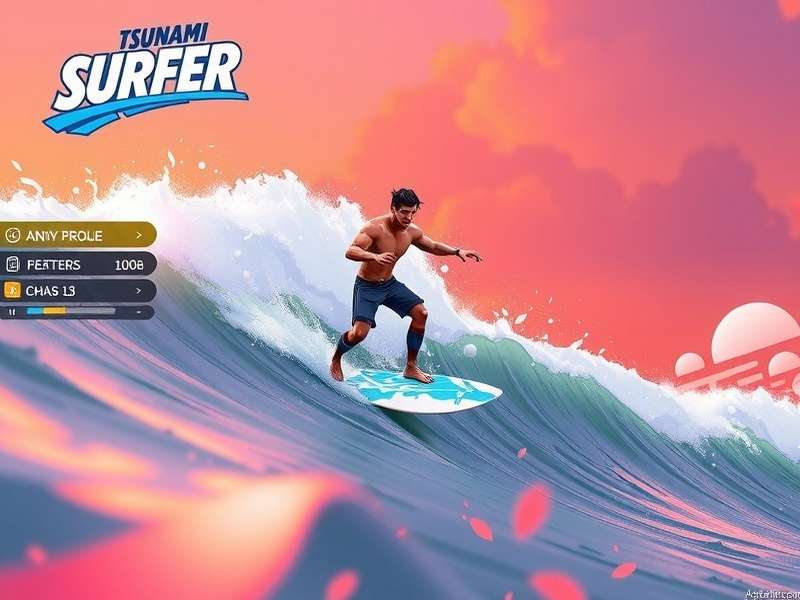
Players ride a massive tsunami wave through the scenic shores of Goa while collecting regional power-ups in Tsunami Surfer Desi Wave.
Launched on June 15, 2025, Tsunami Surfer Desi Wave quickly became a nationwide sensation, breaking download records across all platforms and receiving widespread acclaim for its innovative gameplay, stunning visuals, and authentic representation of India’s coastal cultures and traditions. Unlike generic surfing games or action titles flooding the market, this game redefines the genre by integrating three core elements that make India’s coasts so special: regional cultural diversity, Bollywood-style storytelling, and desi entertainment value that hits close to home for every Indian gamer.
What sets Tsunami Surfer Desi Wave apart is its ability to cater to a wide spectrum of players—from casual gamers who enjoy colorful, engaging gameplay to hardcore action enthusiasts seeking high-speed thrills, and from culture lovers who appreciate regional authenticity to Bollywood fans craving dramatic storytelling with all the masala they love. The game’s success is a testament to the growing demand for desi-themed games that celebrate India’s cultural diversity while delivering world-class gameplay mechanics that can compete with international titles.
In a gaming market dominated by Western aesthetics and narratives that often fail to connect with Indian sensibilities, Tsunami Surfer Desi Wave stands out as a proud showcase of Indian creativity and technical expertise. Developed with Unreal Engine 5, the game features breathtaking visuals of India’s most iconic coastal locations—from the sun-kissed beaches of Goa and Kerala to the bustling harbors of Mumbai and Chennai, the serene backwaters of Alleppey, the rugged shores of Andaman and Nicobar Islands, and the spiritual coastline of Puri. Every location is meticulously recreated to capture the unique essence of its regional culture, while the game’s soundtrack features a vibrant mix of regional folk music, Bollywood chartbusters, and modern desi pop composed by renowned Indian musicians like Pritam Chakraborty, A.R. Rahman, and Badshah.
🌊 Why Tsunami Surfer Desi Wave is a Game-Changer for Indian Gaming
The game breaks new ground by merging three distinct experiences into one cohesive package: high-octane tsunami surfing action, culturally rich regional content that feels authentic to every corner of India, and Bollywood-style drama that keeps players emotionally invested. It’s not just about winning races or riding waves—it’s about exploring India’s coastal diversity, collecting regional power-ups inspired by local traditions, and following a story that feels like a proper desi film, complete with song sequences, emotional moments, larger-than-life characters, and that unbeatable “josh” that defines Indian entertainment.
Some key reasons behind its massive success:
- Authentic desi cultural representation that resonates with Indian gamers
- Easy-to-learn, hard-to-master gameplay mechanics tailored for Indian audiences
- Bollywood-style storytelling with drama, romance, and action
- Stunning visuals of iconic Indian coastal locations
- Regional customization options that let players connect with their roots
Tsunami Surfer Desi Wave’s success has opened new doors for desi-themed gaming, proving that there’s a massive market for content that celebrates India’s cultural diversity while delivering engaging, high-quality gameplay. Within the first four weeks of its release, the game crossed 6 million downloads across all platforms, with players spending an average of 5.2 hours per session—testament to its addictive gameplay and emotional resonance with Indian audiences. The game has also received rave reviews from critics, with an average rating of 4.8/5 across app stores and gaming websites.
The game has struck a chord with players of all ages and backgrounds, from young gamers who enjoy the colorful visuals and fast-paced action to older players who appreciate the cultural references and regional authenticity that remind them of their hometowns. Many players have praised Tsunami Surfer Desi Wave for introducing them to India’s diverse coastal cultures in an interactive and entertaining way, making it both fun and educational. Parents have particularly appreciated the game’s family-friendly content, positive portrayal of Indian culture, and the valuable lessons it teaches about environmental conservation and cultural pride.
One of the key factors behind Tsunami Surfer Desi Wave’s success is its deep understanding of desi gaming preferences. The game features easy-to-learn controls that appeal to casual gamers—perfect for those who play on their mobile phones during commutes or family gatherings—while offering enough depth and challenge to keep hardcore players engaged for hours on end. The regional customization options allow players to connect with their own cultural roots, whether it’s choosing a Punjabi patiala salwar for their character or a surfboard adorned with Tamil Nadu’s Tanjore paintings. The Bollywood-style story provides the emotional hook that Indian audiences love, with dramatic plot twists, romantic moments, and song sequences that players can’t help but hum along to.
Another major highlight of Tsunami Surfer Desi Wave is its commitment to authenticity. The development team traveled over 7,000 kilometers along India’s coastline, visiting 18 different states and union territories to study local cultures, traditions, and surfing conditions. They worked with cultural experts, folk artists, and professional surfers to ensure that every aspect of the game—from the regional power-ups to the character outfits—feels genuine and respectful. This attention to detail has paid off, with players from every region of India praising the game for accurately representing their culture and traditions.
Gameplay Mechanics: Desi Action, Tsunami Thrills
Tsunami Surfer Desi Wave revolutionizes gameplay by integrating three core pillars—high-speed tsunami wave surfing, regional power-ups, and cultural challenges—into a seamless experience that captures the essence of India’s coastal diversity and the adrenaline rush of riding massive waves. Every aspect of the gameplay is designed to evoke the vibrancy, energy, and cultural richness that define India’s coasts, while offering deep and satisfying mechanics that keep players coming back for more.
Surfing Mechanics: Riding the Tsunami Desi Style
The surfing component of Tsunami Surfer Desi Wave is a masterclass in fast-paced action, featuring a variety of surfboards inspired by Indian regional designs, cultural symbols, and traditional craftsmanship. Players can choose from over 30 unique surfboards, each with distinct attributes (speed, maneuverability, stability, and power capacity) and customizable options that reflect the cultural heritage of different Indian states. Unlike generic surfing games that feature standard surfboards, every board in Tsunami Surfer Desi Wave tells a story—whether it’s a coconut wood surfboard from Kerala adorned with mural art or a bamboo board from Assam with traditional weaving patterns.
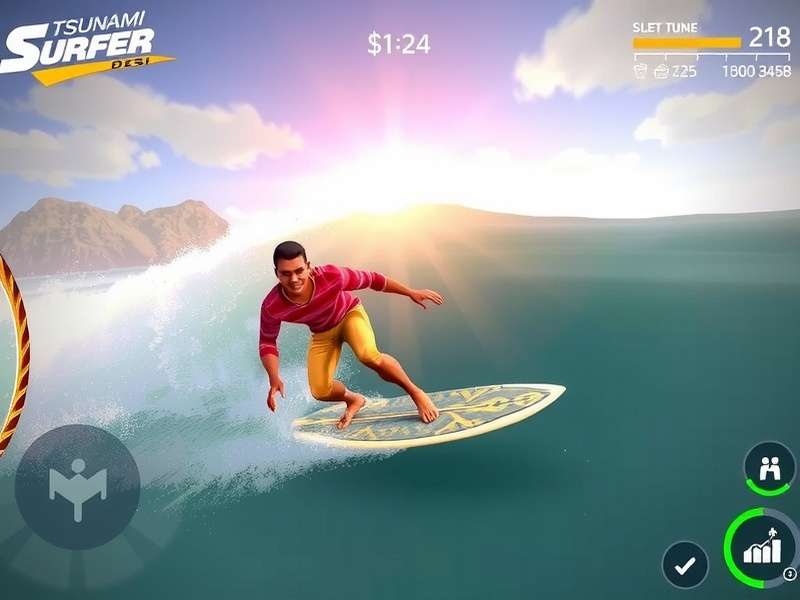
Players navigate through a massive tsunami wave near Kovalam Beach while performing desi-style stunts in Tsunami Surfer Desi Wave.
Surfing takes place across 20 iconic coastal locations from across India, each with its own unique challenges, weather conditions, and cultural significance. What makes these locations special is that they’re not just backdrops—they’re integral to the gameplay, with each region offering distinct wave patterns, obstacles, and events that reflect local conditions and traditions:
- Goa (North Goa Beaches) West India: Known for its party vibe and golden sands, challenges include navigating through beach shacks, avoiding jet skis and fishing boats, and performing stunts to entertain virtual tourists during the Goa Carnival. The waves here are fast and playful, perfect for performing acrobatic stunts.
- Kerala (Kovalam Beach & Alleppey Backwaters) South India: Famous for its crescent-shaped shores and serene backwaters, challenges include surfing through calm backwater channels, avoiding houseboats, and collecting traditional Kerala souvenirs like handloom fabrics and spices. The backwaters offer unique surfing experiences with gentle waves, while the open sea features larger swells during monsoon season.
- Tamil Nadu (Marina Beach, Chennai & Mahabalipuram) South India: India’s longest beach, featuring bustling crowds and ancient cultural landmarks, challenges include avoiding beachgoers, performing stunts near the iconic Marina Lighthouse, and navigating through rocky formations near Mahabalipuram’s shore temples. The waves here are powerful and consistent, ideal for speed-based challenges.
- Maharashtra (Juhu Beach, Mumbai & Alibaug) West India: Bollywood’s favorite beach, challenges include surfing near film shoots, collecting movie props, avoiding paparazzi boats, and riding waves past Mumbai’s iconic skyline. The waves here are unpredictable, with sudden swells that add to the excitement.
- Andhra Pradesh (Rishikonda Beach, Visakhapatnam) South India: Known for its clear waters and water sports, challenges include navigating through coral reefs, rescuing marine life, and riding waves near the Eastern Ghats. The waves here are crystal clear, allowing players to see the underwater world as they surf.
- Karnataka (Gokarna Beaches & Udupi) South India: Serene and spiritual, challenges include surfing near ancient temples, collecting spiritual artifacts like rudraksha beads, and riding gentle waves during early morning sessions. The beaches here are less crowded, offering a peaceful surfing experience.
- West Bengal (Digha Beach & Mandarmani) East India: Popular among family tourists, challenges include avoiding fishing boats, collecting traditional Bengali handicrafts like kantha stitch fabrics, and riding long, rolling waves. The waves here are ideal for beginners but offer enough challenge for experienced players.
- Andaman and Nicobar Islands (Radhanagar Beach & Neil Island) Union Territory: Pristine blue waters and coral reefs, challenges include deep-sea surfing, exploring underwater caves, and avoiding marine life like dolphins and sea turtles. The waves here are some of the largest in the game, offering the ultimate tsunami surfing experience.
- Gujarat (Diu Beaches & Mandvi) West India: Portuguese-influenced coastal town, challenges include surfing near historic forts, collecting Indo-Portuguese artifacts like azulejo tiles, and riding waves during the Rann Utsav celebrations. The waves here are consistent and offer great opportunities for performing stunts.
- Odisha (Puri Beach & Konark) East India: Spiritual and cultural hub, challenges include surfing during the annual Puri Jagannath Rath Yatra, collecting holy offerings like flowers and prasad, and riding waves near the Konark Sun Temple. The waves here are powerful and carry a spiritual significance in the game’s lore.
- Punjab (Goa-like Beaches near Amritsar) North India: Though Punjab is not a coastal state, the game features a special “Desi Beach Resort” level inspired by Punjabi culture, with challenges including Bhangra-style surfing stunts, collecting Punjabi artifacts like phulkari dupattas, and riding waves past a virtual Golden Temple replica.
- Rajasthan (Artificial Beach Resort) North India: Another inland state with a special level, featuring a luxury beach resort in the middle of the desert. Challenges include riding man-made waves, collecting Rajasthani handicrafts like blue pottery, and performing stunts inspired by folk dances like Ghoomar.
Each location features dynamic weather conditions—from monsoon rains that create massive tsunami waves to bright sunny days perfect for performing stunts—and dynamic events such as local festivals, beach weddings, and fishing competitions that add excitement and unpredictability to the gameplay. For example, during the Goa Carnival event, players can surf through colorful processions and collect carnival masks that grant special power-ups, while during the Puri Rath Yatra, players must navigate through crowds of pilgrims and avoid the sacred chariots that move along the beach.
The surfing mechanics are designed to be accessible to desi gamers of all skill levels. The basic controls are simple: tilt your mobile device or use the arrow keys on PC to steer, tap to jump, and swipe to perform stunts. But as players progress, they can unlock advanced moves inspired by Indian dance forms—such as the “Bhangra Spin,” “Kathak Kick,” “Garba Wave,” “Kuchipudi Flip,” and “Lavani Twirl”—that not only look spectacular but also earn bonus points and power-ups. These desi-style stunts are not just for show; they’re integral to the gameplay, allowing players to navigate through tight spaces, avoid obstacles, and gain speed boosts.
One of the most exciting features of Tsunami Surfer Desi Wave’s surfing mechanics is the “Tsunami Mode”, which is activated when players collect three “Tsunami Orbs” in quick succession. In this mode, a massive tsunami wave forms behind the player, giving them a huge speed boost and allowing them to ride the wave’s crest. While in Tsunami Mode, players can perform devastating special moves that clear all obstacles and stun opponents in multiplayer races. The tsunami waves are visually spectacular, with water effects that showcase the power and beauty of these natural phenomena while remaining family-friendly and non-threatening.
Regional Power-Ups and Cultural Elements 🎉
At the heart of Tsunami Surfer Desi Wave lies its cultural component, which sets it apart from other surfing or action games. The game integrates India’s regional diversity and cultural traditions seamlessly into the gameplay, allowing players to unlock and use power-ups inspired by different Indian states and their unique heritage. These power-ups are not just random abilities—they’re rooted in local traditions, festivals, and craftsmanship, making them both meaningful and entertaining.
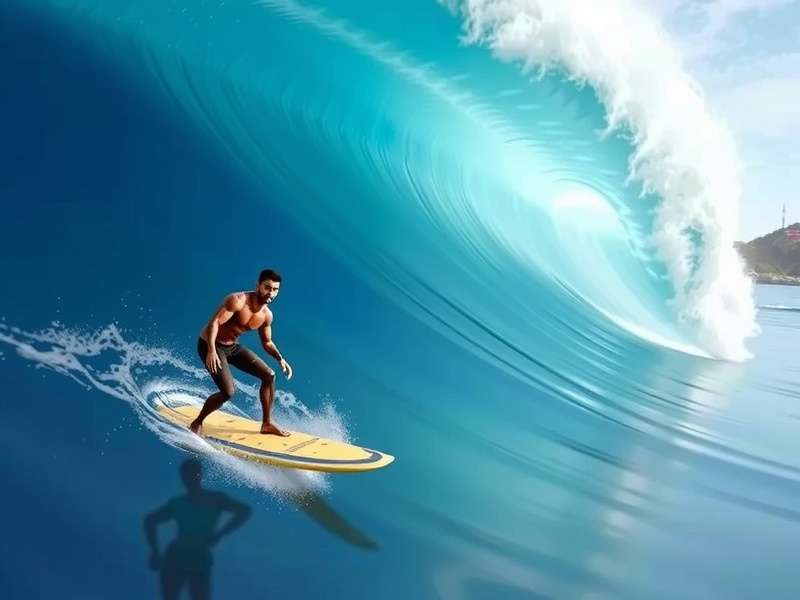
Players activate the "Kerala Boat Race Boost" power-up to surge ahead in a race near Alleppey backwaters in Tsunami Surfer Desi Wave.
The game features 16 major regional power-ups, each associated with a different Indian state or region and unlocked by completing cultural challenges and collecting regional artifacts. Each power-up has a unique visual style inspired by local art forms and a special ability that reflects the region’s characteristics:
- Goa Carnival Boost (Goa): Creates a burst of colorful confetti and streamers that stuns opponents and clears obstacles, inspired by Goa’s famous carnival celebrations. The confetti features traditional Goan patterns and colors, and the power-up’s sound effect includes carnival music and laughter.
- Kerala Boat Race Surge (Kerala): Summons a team of traditional snake boat rowers who push the surfboard forward with incredible speed, inspired by Kerala’s Vallam Kali boat races. The rowers are dressed in traditional Kerala attire, and their chants and drumbeats can be heard as they propel the player forward.
- Tamil Nadu Kolam Shield (Tamil Nadu): Creates a protective barrier inspired by traditional Kolam rangoli designs, deflecting obstacles and opponent attacks. The shield features intricate Kolam patterns that glow with a golden light, and it can be upgraded to include more complex designs with additional protective properties.
- Maharashtra Lavani Dance Boost (Maharashtra): Unleashes a flurry of dance moves that increase speed and earn extra points, inspired by Maharashtra’s Lavani folk dance. The player’s character performs Lavani steps while surfing, and the power-up is accompanied by traditional Lavani music and percussion.
- Gujarat Garba Spin (Gujarat): Performs a spinning maneuver that clears all nearby obstacles, inspired by Gujarat’s Garba dance. The spin creates a vortex of colorful light that resembles the circular movements of Garba dancers, and it can be charged up for a more powerful effect.
- Punjab Bhangra Jump (Punjab): Allows the player to jump over large obstacles with an energetic Bhangra-style leap, inspired by Punjab’s Bhangra dance. The jump is accompanied by the sound of a dhol drum, and the player’s character performs a traditional Bhangra pose mid-air.
- West Bengal Durga Shield (West Bengal): Grants temporary invincibility with a shield inspired by Durga Puja celebrations, protecting against all obstacles. The shield features an image of Goddess Durga riding a lion, and it glows with a divine light that repels all threats.
- Andhra Pradesh Kuchipudi Kick (Andhra Pradesh): Delivers a powerful kick that clears obstacles and stuns opponents, inspired by Kuchipudi dance. The kick is performed with the grace and precision of Kuchipudi, and it leaves a trail of traditional Andhra patterns in the water.
- Karnataka Mysore Palace Boost (Karnataka): Creates a golden aura that increases speed and collects all nearby power-ups automatically, inspired by Mysore Palace’s golden dome. The aura features intricate carvings similar to those found on the palace, and it emits a soft glow that illuminates the surrounding water.
- Odisha Pattachitra Wave (Odisha): Summons a wave of colorful Pattachitra paintings that clear obstacles and create a path to safety. The paintings depict scenes from Hindu mythology and Odia folklore, and they come to life as they move through the water.
- Rajasthan Camel Ride Surge (Rajasthan): Creates a temporary camel-shaped wave that boosts speed and allows surfing over shallow waters. The camel wave features traditional Rajasthani patterns and decorations, and it emits the sound of camel bells as it moves forward.
- Northeast Bamboo Shield (Northeast India): Creates a protective barrier made of bamboo that deflects obstacles and provides extra maneuverability, inspired by the region’s bamboo craftsmanship. The shield features traditional Northeast Indian patterns carved into the bamboo, and it is lightweight yet extremely durable.
- Uttar Pradesh Taj Mahal Blessing (Uttar Pradesh): Grants a temporary speed boost and invincibility, inspired by the Taj Mahal’s beauty and grandeur. The power-up creates a shower of rose petals that heals the player and protects them from harm, and it is accompanied by soft classical music.
- Bihar Madhubani Boost (Bihar): Creates a field of colorful Madhubani paintings that slow down opponents and speed up the player, inspired by Bihar’s famous Madhubani art. The paintings feature traditional motifs like flowers, birds, and deities, and they spread across the water as the player surfs.
- Assam Bihu Dance Surge (Assam): Unleashes a series of Bihu dance moves that create shockwaves, clearing obstacles and stunning opponents. The dance moves are performed with the energy and enthusiasm of Bihu celebrations, and they are accompanied by traditional Assamese music and drums.
- Andaman Ocean Guardian (Andaman and Nicobar Islands): Summons a school of bioluminescent fish that guide the player through dark waters and protect them from obstacles, inspired by the islands’ rich marine life. The fish emit a soft blue glow that illuminates the path ahead, and they can be upgraded to include dolphins that provide additional speed boosts.
To activate these power-ups, players must collect “Desi Power Orbs” scattered throughout the levels. These orbs are generated by performing culturally significant actions in the game, such as participating in local festivals, collecting regional handicrafts, helping virtual locals with their daily activities (like helping a fisherman haul in his catch or assisting a vendor set up their stall), and performing desi-style stunts. The more cultural actions a player performs, the more powerful their regional abilities become—each power-up can be upgraded three times, unlocking additional effects and longer durations.
The game also features cultural challenges that test the player’s knowledge of Indian regional cultures and traditions. These challenges are integrated seamlessly into the gameplay, appearing at key moments in the story mode and as optional side quests. Examples of cultural challenges include:
- Answering questions about local festivals (e.g., “Which flower is used to make Pookalam during Onam?” or “What is the main dance performed during Navratri in Gujarat?”)
- Identifying regional handicrafts (e.g., recognizing a Kanjeevaram saree from Tamil Nadu or a Phulkari dupatta from Punjab)
- Performing traditional dance moves in time with the music (e.g., matching the rhythm of Bhangra beats or following the steps of Kathak)
- Cooking regional dishes by collecting the correct ingredients while surfing (e.g., collecting coconut, rice, and spices to make Kerala’s sadya or collecting flour, ghee, and sugar to make Punjab’s laddoos)
- Solving puzzles inspired by regional traditions (e.g., arranging Kolam patterns correctly or matching Rajasthani bangles by color and design)
Completing these challenges unlocks special surfboards, power-ups, character customization options, and story content that delve deeper into India’s coastal heritage. For example, completing all Kerala-themed challenges unlocks a special “Vallam Kali Surfboard” modeled after traditional snake boats, while completing all Tamil Nadu challenges unlocks a “Kolam Master” achievement and a unique rangoli-themed power-up.
“India’s coastal regions are a treasure trove of culture, tradition, and natural beauty. With Tsunami Surfer Desi Wave, we wanted to capture that diversity and bring it to life through gameplay. The regional power-ups and cultural challenges are designed to educate players about India’s rich coastal heritage while keeping the gameplay fun and engaging for desi audiences. We’ve made sure that every state’s unique culture is represented with respect and authenticity—from the music and art to the traditions and festivals. It’s not just a game; it’s a celebration of India’s incredible diversity.” — Rakesh Patel, Lead Game Designer at Daman Games Studios
Bollywood-Style Story Missions 🎬
Tsunami Surfer Desi Wave goes beyond mere action by incorporating a full-fledged Bollywood-style story mode that drives the gameplay and keeps players emotionally invested. The story follows the classic desi film formula—complete with drama, romance, comedy, action, and song sequences—while celebrating India’s coastal diversity. It’s a story that feels familiar yet fresh, with characters that Indian audiences can relate to and a plot that tugs at the heartstrings.
The story mode consists of 75 missions spread across five chapters, each set in a different region of India. Each mission advances the plot while introducing new gameplay mechanics, power-ups, and cultural elements. The missions are designed to be varied and engaging, with a mix of racing, exploration, puzzle-solving, and action sequences. Some of the most popular story missions include:
- Regional Challenges: Competing in surfing competitions across different states, each with its own unique rules and cultural themes. For example, the Goa competition requires players to perform as many desi stunts as possible, while the Kerala competition focuses on speed and precision as players navigate through backwater channels.
- Cultural Quests: Helping local characters with tasks that reflect regional traditions, such as collecting flowers for a Kerala Onam celebration, preparing decorations for a Goa Carnival parade, or gathering ingredients for a Punjabi wedding feast. These quests not only advance the story but also provide valuable insights into local cultures.
- Romantic Subplots: Interacting with love interests from different regions, each with their own unique personalities and cultural backgrounds. The romantic moments are set against scenic coastal backdrops—from sunset surf sessions in Goa to moonlit boat rides in Kerala—and feature heartfelt dialogue and Bollywood-style song sequences.
- Drama Sequences: Overcoming personal challenges and resolving conflicts that mirror the emotional depth of Bollywood films. These sequences include heartfelt conversations with family members, moments of self-doubt and redemption, and dramatic confrontations with the antagonist.
- Action Set Pieces: Participating in high-stakes surfing races and stunts that feel like they’re straight out of a desi action movie. These include chasing down smugglers through stormy seas, rescuing villagers from a tsunami (in a family-friendly, non-threatening way), and performing death-defying stunts during a live Bollywood film shoot.
- Musical Numbers: Participating in full-fledged Bollywood song sequences where players must perform synchronized surfing stunts to the beat of the music. These sequences are visually stunning, with colorful costumes, elaborate choreography, and catchy songs that players will find themselves humming long after playing.
Each story mission features Bollywood-style cutscenes with dramatic dialogue, emotional moments, and stunning visuals. The cutscenes are rendered in real-time using the game’s engine, ensuring a seamless transition between gameplay and story. The voice acting is top-notch, with talented Indian voice actors bringing the characters to life with authentic accents and emotional performances.
🎶 Bollywood Influence in Tsunami Surfer Desi Wave
The game features collaborations with some of Bollywood’s biggest names, making the musical experience truly unforgettable. The title track, “Tsunami Surfer Desi Wave,” was composed by Pritam Chakraborty and sung by Arijit Singh and Shreya Ghoshal, and it has become a chartbuster in its own right. Each regional level has its own folk-inspired song, and the story mode includes eight full-fledged musical numbers that players can participate in by performing synchronized surfing stunts.
Some of the standout musical moments include:
- “Surf Dil Se” – A romantic duet between the protagonist and his love interest, set against a sunset backdrop in Goa.
- “Desi Wave Baja” – A high-energy Bhangra-inspired track that plays during Punjab-themed races.
- “Backwater Beats” – A melodious Kerala folk song that accompanies backwater navigation missions.
- “Tsunami Takkar” – An action-packed track that plays during the game’s most intense surfing sequences.
This unique blend of gameplay and Bollywood music has resonated deeply with desi audiences, with many players sharing videos of themselves performing the synchronized stunts on social media.
Customization and Progression: Desi Style ✨
Tsunami Surfer Desi Wave offers an extensive customization system that allows players to express their cultural identity and personal style. Unlike many Western games that offer limited customization options, this game provides a wealth of choices inspired by India’s diverse cultures, allowing players to create a character that truly represents their heritage or showcases their favorite regional traditions.
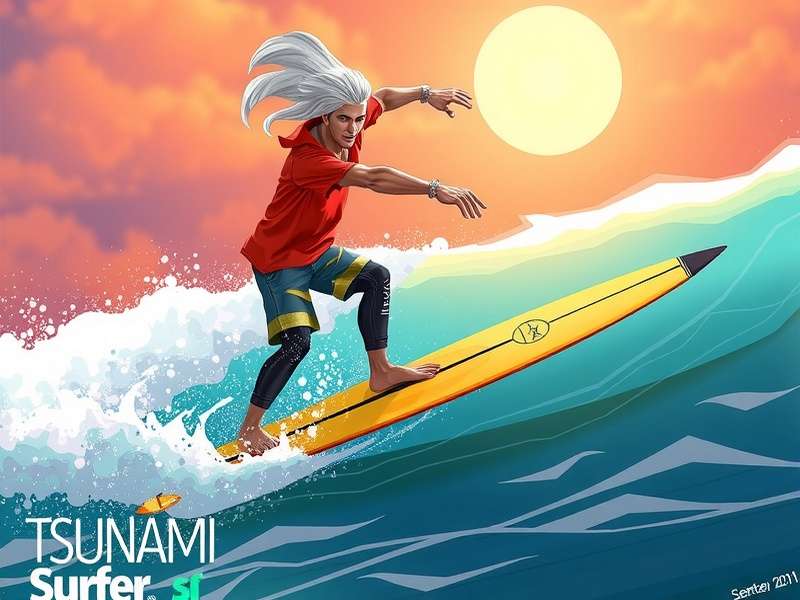
Players can customize their characters with regional Indian attire and cultural accessories in Tsunami Surfer Desi Wave.
Character customization options are divided into several categories, each offering a wide range of choices inspired by different Indian states and traditions:
-
Attire: A vast collection of regional outfits and modern desi fashion inspired by Bollywood trends. Options include:
- Traditional wear: Goan kurta-pajama, Kerala mundu and neriyathu, Tamil veshti and angavastram, Gujarati kediyu and churidar, Punjabi patiala salwar and kameez, Bengali saree and kurta, Rajasthani lehenga choli, Assamese mekhela chador, and many more.
- Modern desi fashion: Bollywood-style kurtis, designer sarees, fusion wear, and sporty outfits with regional patterns.
- Festival attire: Special outfits for Diwali, Holi, Onam, Pongal, and other Indian festivals, complete with traditional accessories.
-
Accessories: Regional jewelry, headwear, and cultural symbols that add authenticity and style to the character:
- Jewelry: Tamil Nadu temple jewelry, Punjabi phulkari bangles, Kerala gold necklaces, Gujarati lac bangles, Rajasthani kundan jewelry, and Northeast tribal jewelry.
- Headwear: Punjabi turban (available in various colors and styles), Gujarati pagdi, Kerala mundu cap, Tamil veshti cap, and flower garlands for festivals.
- Cultural symbols: Om pendants, lotus necklaces, elephant motifs, swastika symbols (used in a cultural context), and regional state emblems.
-
Hairstyles: Traditional and modern desi hairstyles for both male and female characters:
- Men’s styles: Punjabi turban with long hair, Tamil veshti hairstyle, Gujarati short cut, Bengali curly hair, and modern Bollywood-inspired cuts.
- Women’s styles: Braid with flowers (Kerala style), Punjabi paranda braid, Gujarati choti, Tamil plaits, and modern curls and waves inspired by Bollywood celebrities.
-
Cultural Body Art: Temporary tattoos and body paint inspired by regional traditions:
- Mehendi designs: Traditional Rajasthani, Punjabi, and Tamil mehendi patterns that appear on the character’s hands and feet.
- Rangoli-inspired tattoos: Colorful temporary tattoos featuring Kolam, Alpana, and other rangoli patterns.
- Regional symbols: Temporary tattoos of state emblems, cultural symbols, and religious motifs that enhance power-up effectiveness.
Surfboard customization is equally extensive, with options that allow players to create a board that reflects their personal style and cultural preferences:
-
Designs: Regional patterns and art forms that cover the entire surfboard:
- Kerala mural art featuring Hindu deities and nature scenes.
- Tamil Nadu Tanjore paintings with gold leaf accents.
- Gujarat bandhani and tie-dye patterns in vibrant colors.
- Goa azulejo tiles with Portuguese-influenced designs.
- Odisha Pattachitra paintings with mythological themes.
- Bollywood-inspired designs featuring famous actors and movie posters.
-
Materials: Traditional and modern materials that affect the surfboard’s performance:
- Traditional materials: Coconut wood, bamboo, teak, and rosewood, each with unique performance characteristics.
- Modern composites: Fiberglass and carbon fiber with cultural engravings and inlays.
- Special materials: Gold-plated accents (for premium surfboards), bioluminescent materials that glow in dark waters, and crystal-embedded designs for a luxurious look.
-
Decals: Stickers and patches that add personality to the surfboard:
- Regional landmarks: Stickers of the Taj Mahal, Mysore Palace, Gateway of India, and other famous Indian landmarks.
- Bollywood stars: Stickers featuring popular Bollywood actors and actresses.
- Cultural symbols: Om, lotus, elephant, peacock, and other Indian symbols.
- Desi slogans: “Desi Power,” “Coastal Pride,” “Surf Like a Pro,” “Tsunami King,” and other catchy phrases.
-
Performance Upgrades: Modifications that enhance the surfboard’s abilities, inspired by regional technologies and traditions:
- Speed boosters: Inspired by Kerala’s snake boat racing techniques.
- Stability enhancements: Based on Gujarat’s boat-building traditions.
- Power-up amplifiers: Inspired by Tamil Nadu’s temple architecture and energy flow principles.
- Wave detectors: Based on Andhra Pradesh’s traditional fishing techniques for detecting fish schools.
- Special Effects: Visual effects that emanate from the surfboard as it moves through the water